

Why Tinnitus Feels Louder After Dark
For most people, nighttime brings peace and quiet. Daily responsibilities slow down, and the body prepares for rest. For people with tinnitus, however, the opposite often happens.
As the environment becomes quieter, ringing in the ears becomes much easier to notice. Some people hear a high-pitched tone. Others describe buzzing, humming, clicking, or sounds similar to electrical static.
During the day, conversations, traffic, television, and workplace noise help distract the brain. At night, those sounds disappear. As a result, tinnitus often feels much louder even when the actual sound has not changed.
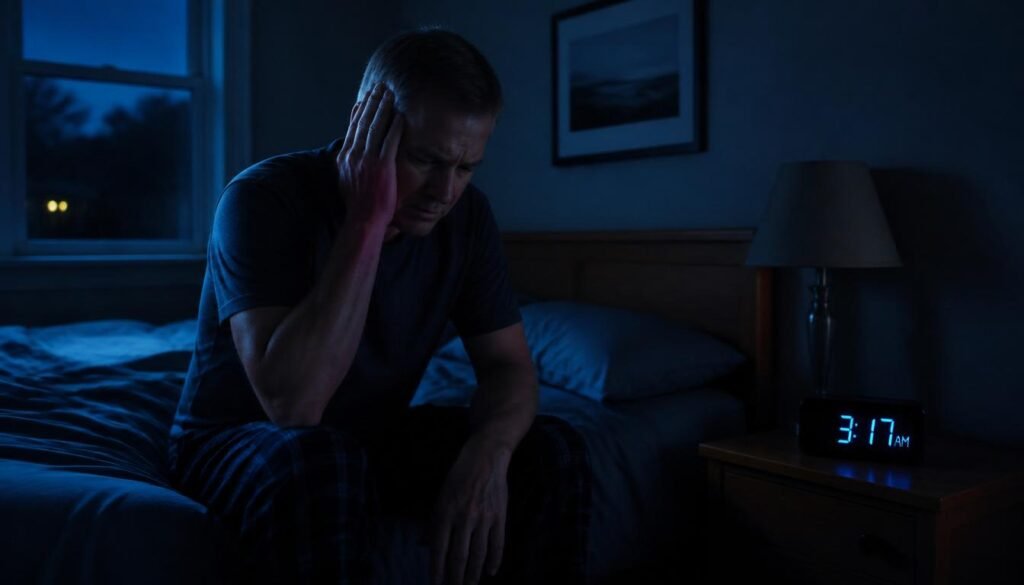
This experience can be frustrating. Many people report lying awake in bed while the ringing repeatedly pulls their attention away from sleep.
The Brain’s Role in Nighttime Tinnitus
Researchers believe one of the main reasons tinnitus becomes more noticeable at night involves how the brain processes sound.
Throughout the day, the brain filters thousands of external sounds. These background noises naturally mask internal sounds such as ringing or buzzing.
When nighttime arrives, that masking effect disappears.
Without competing sounds, the brain shifts its attention toward internal sensations. This makes tinnitus seem stronger and more difficult to ignore.
Many people assume their tinnitus suddenly becomes worse after dark. In reality, the quiet environment simply makes the sound more noticeable.
Stress and Anxiety Can Make Tinnitus Worse
Stress plays a significant role in how tinnitus is experienced.
When the body remains under stress, the nervous system becomes more alert and reactive. This increased sensitivity can make ringing appear louder than normal.
Many people notice that tinnitus becomes more intrusive during:
- Periods of anxiety
- Emotional stress
- Mental exhaustion
- Major life changes
- Poor sleep
Because of this connection, tinnitus often becomes part of a frustrating cycle.
The ringing interferes with sleep. Poor sleep increases stress. Increased stress makes the ringing feel stronger the next night.
Many people look for ways to support hearing wellness and reduce the daily burden of tinnitus. Some have started exploring natural hearing support options designed to complement healthy lifestyle habits and better sleep routines.
👉 Learn more about AudioSoothe here.
How Poor Sleep Affects Tinnitus
Sleep and tinnitus are closely connected.
When sleep quality declines, the brain becomes less effective at managing stress and sensory information. As a result, many people become more aware of sounds that would normally fade into the background.
Lack of sleep may also affect mood, concentration, and emotional resilience.
Many individuals report feeling mentally exhausted before the day even begins because they spent hours focusing on the ringing instead of sleeping.
Over time, this can affect overall quality of life.
Common Factors Associated With Tinnitus
Tinnitus does not always have a single cause.
Instead, several factors may work together to influence symptoms.
Common factors include:
- Exposure to loud noise
- Age-related hearing changes
- Chronic stress
- Anxiety
- Poor sleep habits
- Smoking
- Excessive alcohol consumption
- Physical inactivity
Many hearing specialists believe that addressing these lifestyle factors may help reduce the overall burden of tinnitus.
A Growing Interest in Natural Hearing Wellness
In recent years, more people have begun focusing on hearing wellness as part of a broader health strategy.
Many individuals now prioritize:
- Better sleep habits
- Stress management
- Hearing protection
- Regular physical activity
- Nutritional support
Certain nutrients, including magnesium, zinc, B vitamins, and antioxidants, are frequently associated with healthy hearing and nervous system function.
Although results vary from person to person, many people report feeling better when they consistently support their overall health.
Because of this, many people are turning to hearing support supplements that combine vitamins, minerals, and plant-based ingredients commonly associated with hearing wellness and cognitive support.
👉 See why so many people are talking about AudioSoothe.
Hearing Support Supplements and Daily Wellness
This growing interest in hearing wellness has contributed to the popularity of hearing support supplements.
One product that has received attention online is AudioSoothe, especially among people interested in supporting hearing health naturally.
👉 Visit the official website to learn more.
Many individuals are no longer searching only for temporary distractions. Instead, they want long-term strategies that support healthy habits, better sleep, stress management, and nutritional balance.
This broader approach reflects a growing desire to improve overall well-being rather than simply focus on the ringing itself.
Final Thoughts
Understanding why tinnitus is worse at night can help reduce some of the anxiety surrounding the condition.
For many people, the increased ringing is not necessarily a sign that tinnitus is getting worse. Instead, it is often the result of a quieter environment, heightened awareness, stress, and sleep-related factors.
Small lifestyle improvements may make a meaningful difference over time.
Reducing loud noise exposure, improving sleep quality, staying physically active, and managing stress can all support better hearing wellness and quality of life.
If nighttime ringing has been affecting your sleep, focus, or daily comfort, exploring hearing wellness strategies and products such as Audifort may be a helpful step as part of a long-term approach to hearing health.
If you’d like to learn more about the ingredients, benefits, and customer experiences, you can visit the official website below.
👉 Check Availability on the Official Website