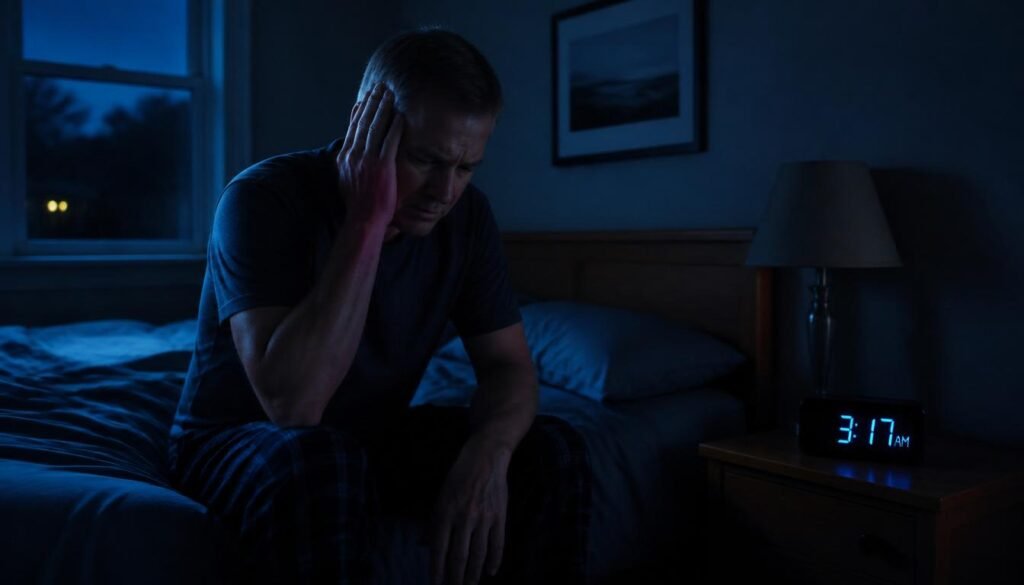


For most people, nighttime is supposed to feel peaceful. The noise of the day fades away, responsibilities slow down, and the body finally gets a chance to rest. But for millions of people dealing with tinnitus, nighttime can become the most frustrating part of the entire day. The moment the room gets quiet, the ringing suddenly feels louder. Some describe it as a constant high-pitched tone. Others hear buzzing, humming, clicking, or even sounds similar to electrical static. During the day, distractions make it easier to ignore. Work, conversations, traffic, television, and everyday noise help keep the brain occupied. But once silence takes over at night, many people realize the sound never truly disappeared. It was there all along. This is one of the reasons tinnitus can feel emotionally exhausting. Some people say the ringing becomes so distracting that they start dreading bedtime itself. They lie awake trying to sleep while the sound keeps pulling their attention back over and over again. Over time, that frustration can turn into stress, fatigue, irritability, and mental exhaustion that affects daily life far beyond nighttime hours.
What makes tinnitus especially difficult is how personal the experience can feel. Many people struggle silently for years because they assume nothing can be done or believe it is simply part of getting older. Others feel frustrated because family members and friends cannot hear what they hear. The sound is real to the person experiencing it, even though nobody else around them notices anything at all. Some people experience mild ringing occasionally after loud noise exposure, while others deal with symptoms every single day. In many cases, tinnitus develops gradually. A person may first notice it late at night in complete silence, then slowly begin hearing it more often during stressful moments, periods of fatigue, or times of emotional overload. That unpredictability is part of what makes tinnitus so mentally draining. One night may feel manageable, while the next feels impossible to ignore.
Researchers and hearing specialists continue studying why tinnitus often becomes more noticeable at night, and one of the biggest reasons involves the way the brain processes sound. Throughout the day, the mind constantly filters external noise from the environment. Even subtle background sounds help mask internal ringing sensations. But at night, external sounds disappear almost completely. Without those distractions, the brain naturally shifts its focus toward internal sounds that were previously hidden beneath everyday noise. Stress may also make symptoms feel stronger. When the body remains tense or emotionally overloaded, the nervous system becomes more sensitive, and tinnitus can suddenly feel much louder than before. This explains why many people notice the ringing becomes worse during periods of anxiety, emotional stress, or poor sleep. Unfortunately, the relationship between tinnitus and sleep often becomes a frustrating cycle. The ringing makes it difficult to sleep, and lack of sleep increases stress and nervous system sensitivity, making the ringing feel even more noticeable the following night.
For many individuals, the emotional impact becomes just as difficult as the sound itself. Constant ringing can affect concentration, focus, mood, and overall quality of life. Some people say they feel mentally drained before the day even starts because they spent hours lying awake listening to the same internal noise. Others begin avoiding silence completely, keeping televisions, fans, or music playing in the background simply to distract themselves from the ringing. Over time, that constant awareness can create frustration and emotional exhaustion that slowly affects daily routines. What many people do not realize is that tinnitus is often connected to multiple factors working together rather than one single cause alone. Hearing health, stress levels, sleep quality, circulation, nervous system activity, lifestyle habits, and even nutrition may all play a role in how symptoms are experienced from day to day.
Exposure to loud sounds remains one of the most common factors associated with hearing-related problems. Years of high headphone volume, concerts, construction work, loud workplaces, or repeated noise exposure may place stress on delicate hearing structures over time. In other cases, natural age-related hearing changes become part of the equation, especially for adults over 40. Stress and anxiety may also influence how intensely tinnitus is perceived. Many people notice the ringing becomes far more intrusive during emotionally difficult periods or moments of mental overload. Poor sleep habits, lack of physical activity, smoking, excessive alcohol consumption, and constant fatigue may also contribute to overall nervous system stress and hearing discomfort. This is one reason more people are beginning to approach tinnitus from a broader wellness perspective instead of focusing only on the sound itself.
In recent years, growing attention has been placed on natural hearing support and overall wellness habits that may help people better manage the daily impact of tinnitus. Many individuals have started focusing on healthier sleep routines, stress reduction, hearing protection, physical activity, and nutritional support. Certain vitamins, minerals, and antioxidants are frequently associated with hearing wellness and cognitive support, including magnesium, zinc, B vitamins, and antioxidant-rich ingredients connected to healthy circulation and nervous system function. While no single solution works the same for everyone, many people report that supporting overall wellness helps reduce the emotional burden associated with constant ringing. Small changes practiced consistently often make a larger difference over time than people initially expect.
This growing interest in natural hearing wellness is one reason why hearing support supplements have become increasingly popular among people looking for non-invasive ways to support auditory comfort and mental clarity. One supplement that has been receiving attention online is AudioSoothe Official Website, especially among individuals interested in supporting hearing health naturally as part of a broader wellness routine. Many people exploring tinnitus-related solutions are no longer searching only for temporary distractions. Instead, they are looking for ways to support the body more consistently through healthier daily habits, stress management, better sleep, and hearing-focused nutritional support. While results vary from person to person, this shift toward long-term wellness strategies reflects how many individuals are trying to regain a greater sense of comfort and control over their daily lives.
The encouraging part is that many people find their symptoms become more manageable once they begin supporting their overall health more consistently. Reducing loud sound exposure, improving sleep quality, lowering stress levels, staying physically active, and maintaining healthy routines may all contribute to better hearing wellness and improved quality of life over time. For someone struggling with tinnitus, even small improvements in sleep and stress can make a meaningful difference in how overwhelming the ringing feels each day. And while tinnitus can certainly feel frustrating and emotionally draining, understanding why it becomes worse at night often helps people feel less anxious and more empowered to start making positive changes. Rather than feeling trapped by the constant noise, many individuals are beginning to approach hearing health with a more balanced perspective focused on long-term support, daily wellness habits, and realistic lifestyle improvements that may help them feel more comfortable both day and night.
f nighttime ringing has been affecting your sleep, focus, or daily comfort, learning more about natural hearing wellness support may be an important first step. Many people have started exploring options like Audifort as part of their long-term hearing health routine.